

Should Christians gamble?
What is gambling?
Gambling is placing something of value at risk on a contest where the outcome is at least partly determined by chance, with the intent of winning more.
How should Christians approach gambling?
We suggest 3 approaches you could use for gambling, as with any moral issue:
What does the Bible say?
What has the Church said through the ages?
What is the fruit of gambling?
If you are genuinely considering this from a personal perspective, you might like to consider your intention behind why you want to gamble; what are the likely consequences; what things gambling might cultivate in your character; and how it might impact your witness to others as a believer in Jesus Christ.
What does the Bible say?
Let’s get this out there from the start. The Bible does not forbid gambling.
But there are other things that it does not forbid which are still bad ideas and often sinful. For example, pornography is not mentioned or forbidden in the Bible. No believer in Jesus would make the case for pornography.
If you know your Bible you will say “Aha - but what about the casting of lots?”. Where people cast lots in the Bible it was an objective way of solving a problem or for guidance from God on a decision, believing that God could influence the outcome. If you apply the definition above you will see that it is not gambling.
The Bible is not explicit about gambling as an issue, but it does have clear principles that you can apply. Here are some relevant principles…
-
Gambling often reflects trust in chance or wealth rather than in God’s provision.
Trust in the Lord with all your heart and lean not on your own understanding; in all your ways submit to him, and he will make your paths straight Proverbs 3:5-6
Some trust in chariots and some in horses, but we trust in the name of the Lord our God Psalm 20:7
-
The Bible tells us that work is good - God worked then Adam was given work to tend and watch over the garden of Eden. Work brings us dignity and allows us to offer something to God by meeting the needs of others.
Wealth from get-rich-quick schemes quickly disappears; wealth from hard work grows over time. Provebrs 13.11
Anyone who has been stealing must steal no longer, but must work, doing something useful with their own hands, that they may have something to share with those in need. Ephesians 4.28
Whatever you do, work at it with all your heart, as working for the Lord, not for human masters. Colossians 3.23
-
We are called to invest our time, energy and resources in things which serve our King and bring His Kingdom to earth. Gambling wastes our time, energy, and money.
The earth is the Lord’s, and everything in it. The world and all its people belong to him. Psalm 24.1
If you are faithful in little things, you will be faithful in large ones. But if you are dishonest in little things, you won’t be honest with greater responsibilities. And if you are untrustworthy about worldly wealth, who will trust you with the true riches of heaven? Luke 16:10-11 (NLT)
-
Jesus’s “Golden Rule” calls us to consider how our actions affect others. Gambling depends on the many to lose for the few to win, and harms individuals, families, relationships, and communities.
Do to others as you would have them do to you. Luke 6:31
Do nothing out of selfish ambition… look not only to your own interests, but also to the interests of others. Philippians 2:3-4
Love does no harm to a neighbour. Therefore love is the fulfillment of the law. Romans 13.10
-
Gambling is related to discontentment with your current state, and also drives discontentment. There is nothing wrong with dreaming, but over time gambling becomes the search for a big life-transforming win.
Keep your lives free from the love of money and be content with what you have, because God has said, “Never will I leave you; never will I forsake you.”. Hebrews 13.5
But godliness with contentment is great gain. For we brought nothing into the world, and we can take nothing out of it. But if we have food and clothing, we will be content with that. Those who want to get rich fall into temptation and a trap and into many foolish and harmful desires that plunge people into ruin and destruction. For the love of money is a root of all kinds of evil. Some people, eager for money, have wandered from the faith and pierced themselves with many griefs. 1 Timothy 6 : 6-10
What has the Church said through the ages?
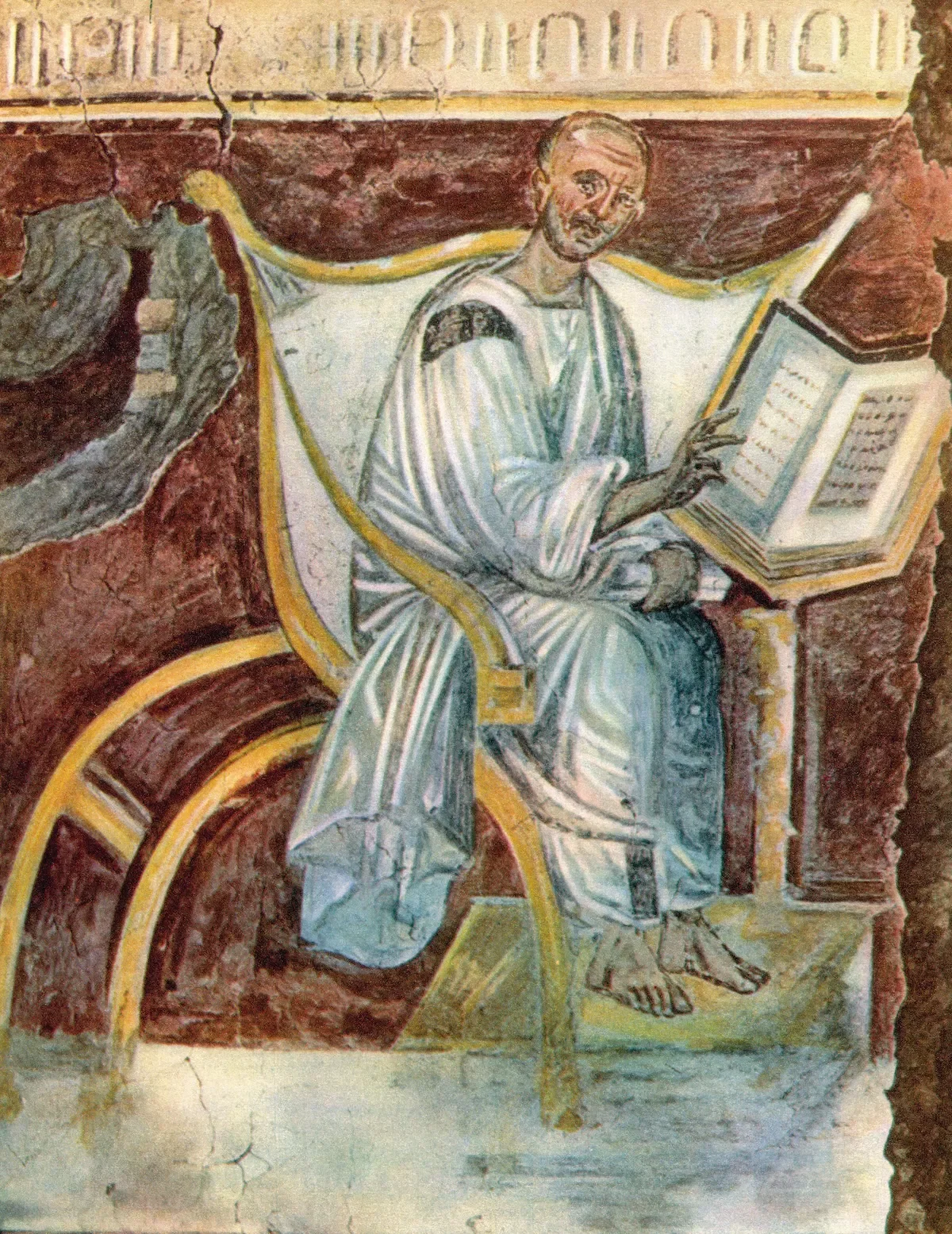
St Augustine
“So if you believe something else, hope for something else, love something else, you must prove it by your life, demonstrate it by your actions. Are you going to join in the celebrations of good luck presents like a pagan, going to play at dice—and get yourself drunk? How in that case can you really believe something else, hope for something else, love something else?”
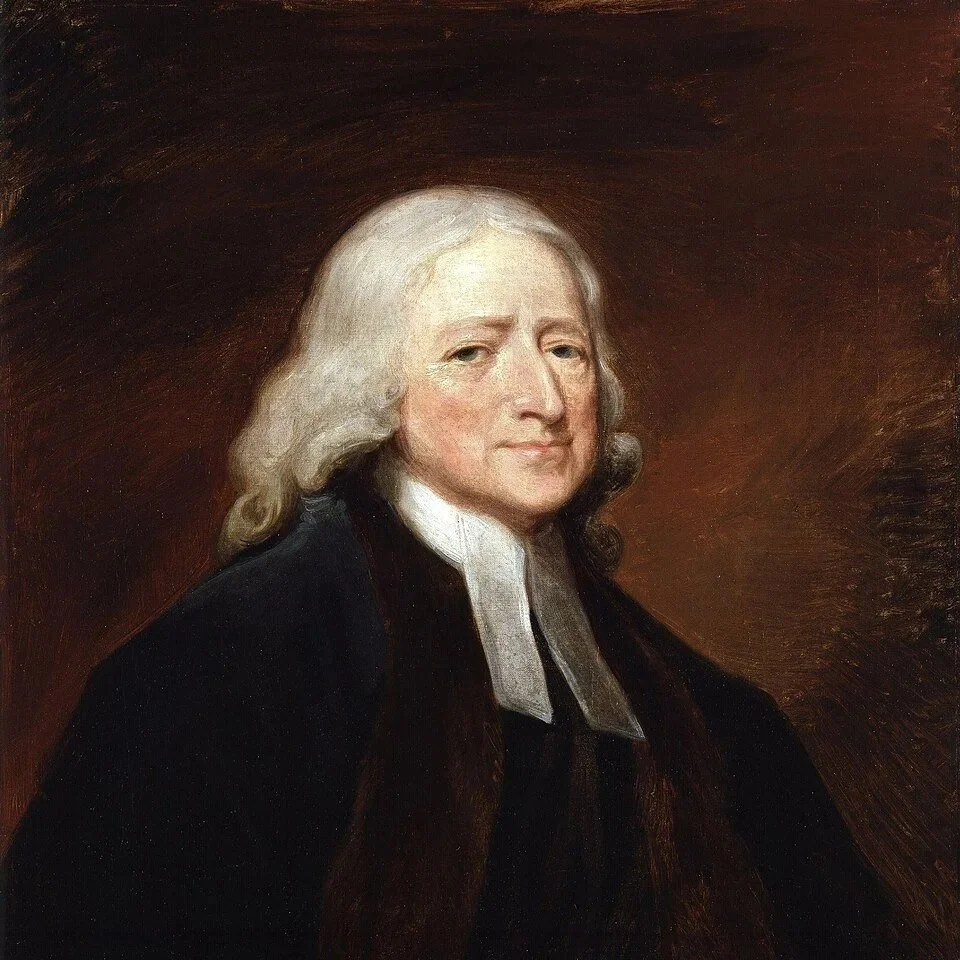
John Wesley
“We are… to gain all we can without hurting our neighbour. But this we may not, cannot do, if we love our neighbour as ourselves. We cannot, if we love everyone as ourselves, hurt anyone in his substance. We cannot devour the increase of his lands, and perhaps the lands and houses themselves, by gaming, by overgrown bills… or by requiring or taking such interest as even the laws of our country forbid.”
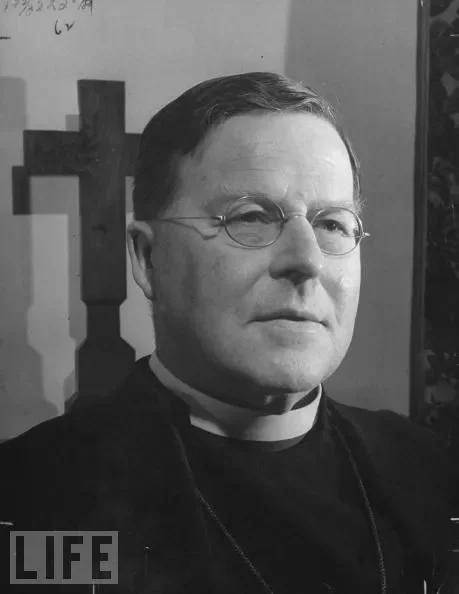
William Temple
“Gambling challenges that view of life which the Christian Church exists to uphold and extend. Its glorification of mere chance is a denial of the Divine order of nature. To risk money haphazard is to disregard the insistence of the Church in every age of living faith that possessions are a trust, and that men must account to God for their use. The persistent appeal to covetousness is fundamentally opposed to the unselfishness which was taught by Jesus Christ and by the New Testament as a whole.”
These are just 3 handpicked examples from different parts of church history:
St Augustine lived 354-430 and was a church father whose thinking influenced Christianity and western thought to this day.
John Wesley was a horseback preacher in the 1700s who rode 250,000 miles to preach the gospel and revived the land.
William Temple was the Archbishop of Canterbury through much of World War II and was reckoned to be one of the greatest men of his age.
We could go on and on with more examples, including many believers who had previously gambled and changed their minds, such as William Wilberforce who abolished slavery. If you look for yourself you will see that the Church has always stood against gambling and on the side of the poor.
What is the fruit of gambling?
In Matthew 7:17-18, Jesus sets out a principle that He applies to false prophets.
"So every good tree bears good fruit, but the bad tree bears bad fruit. A good tree cannot produce bad fruit, nor can a bad tree produce good fruit"
In other words, if something is sinful, it bears bad fruit. And if something is good, it bears good fruit.
Let’s apply this principle to think about gambling....
What does the gambling industry bring forth? What is its fruit?
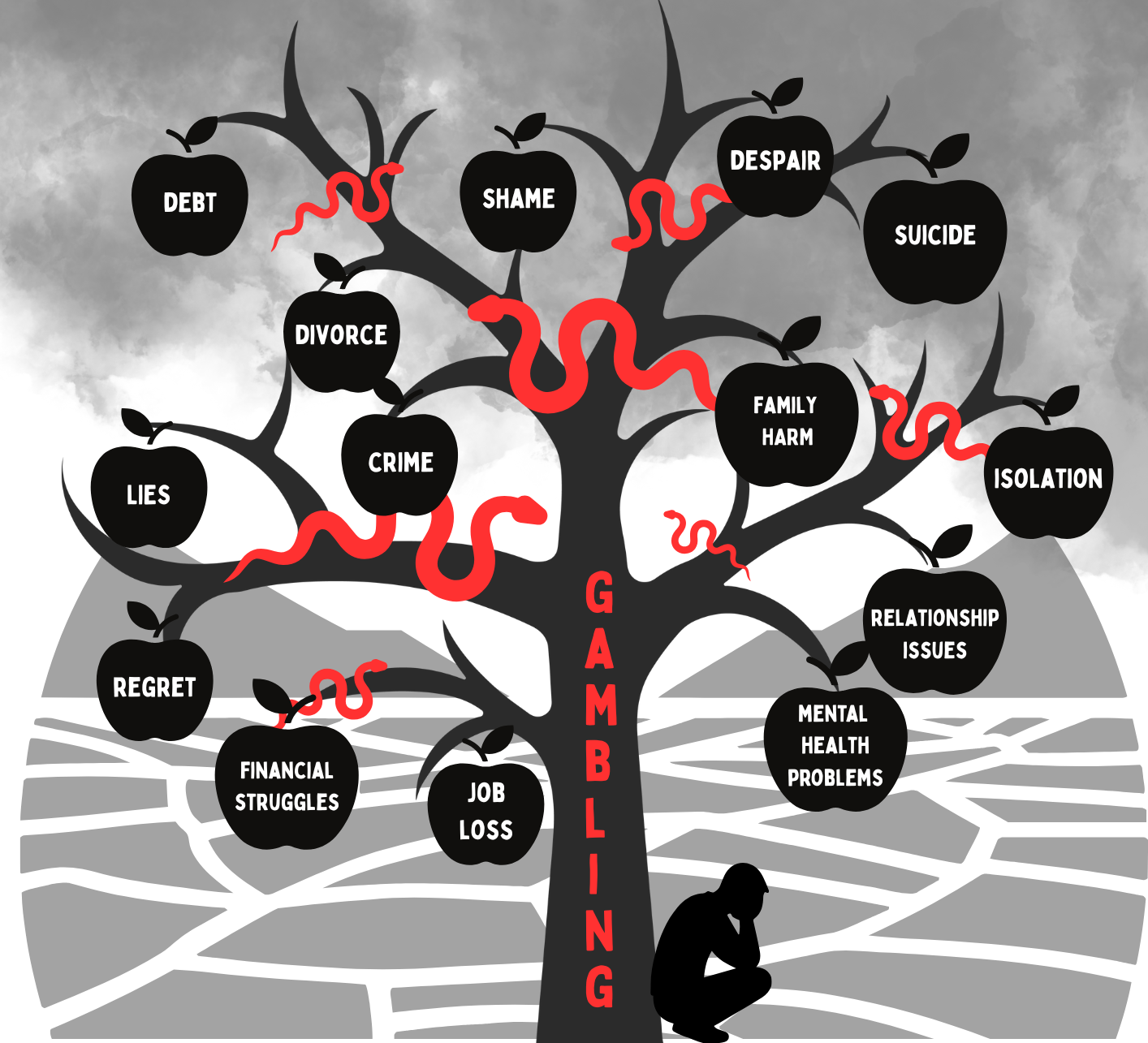
You may write this off as some sort of religious hyperbole. But even “no risk” gambling has been shown to impact quality of life. And the vast majority of people in the UK think gambling is dangerous and should be discouraged (not just Christians).